Line Worker
-
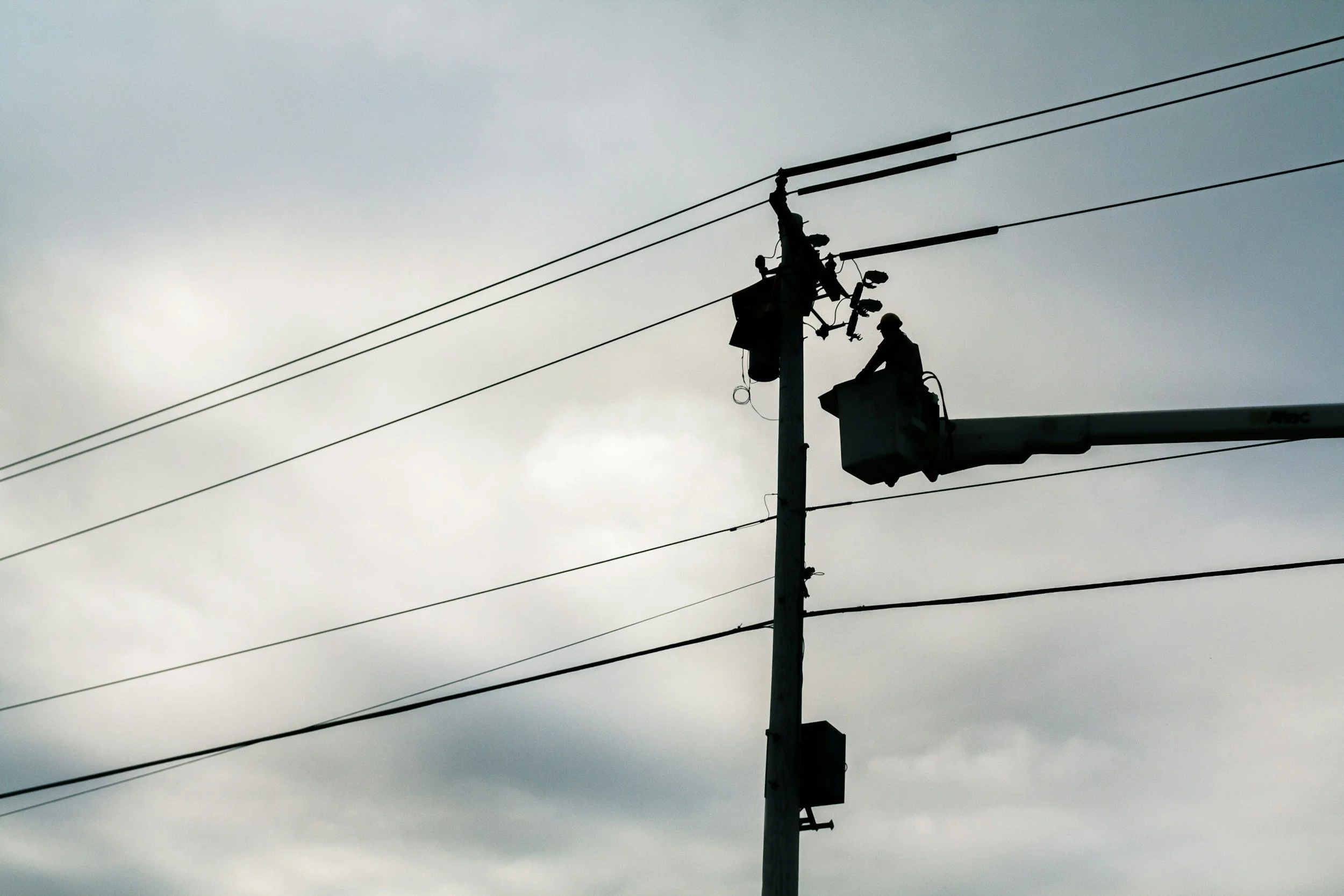
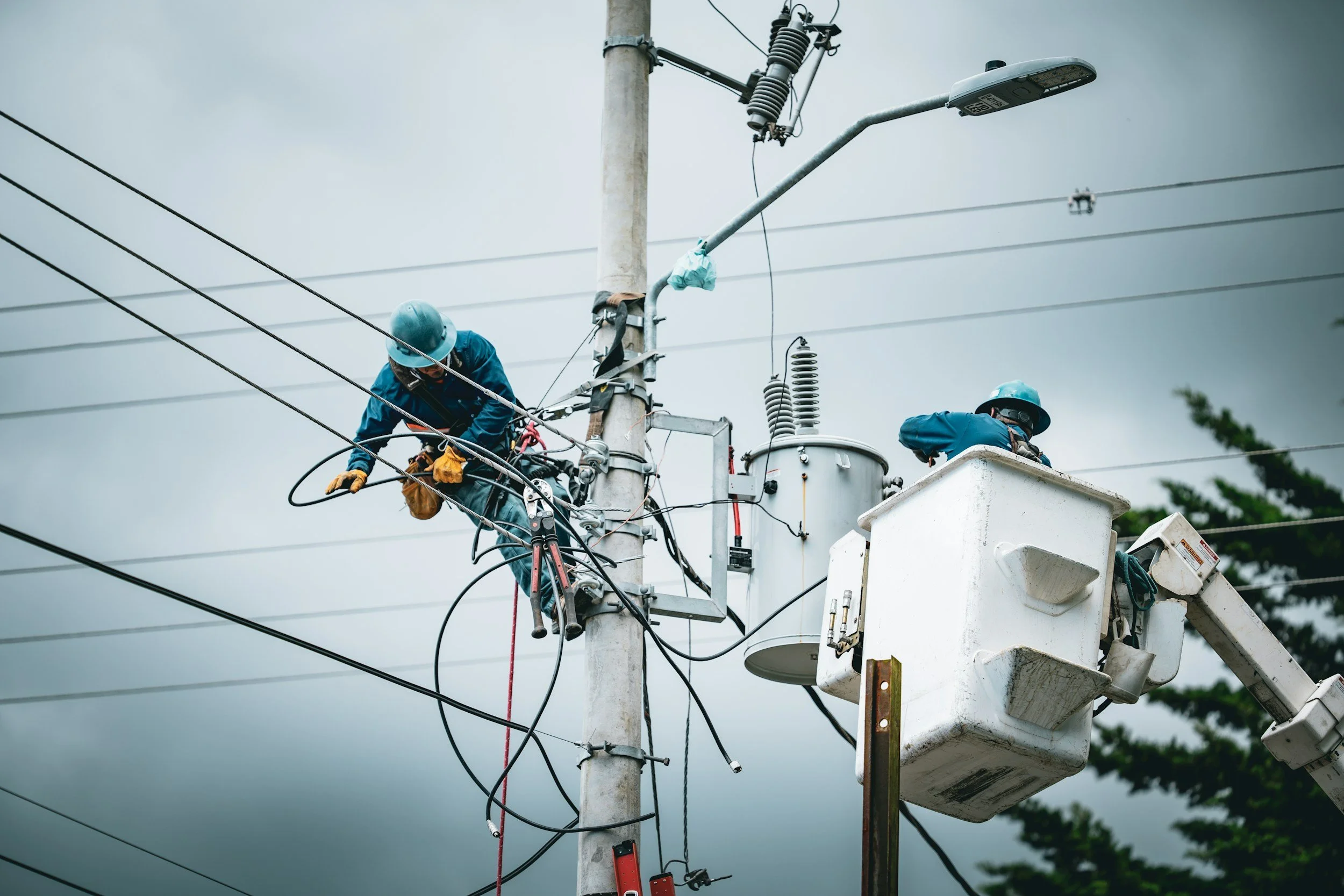
A lineworker (or electrical lineman) installs, maintains, and repairs the high-voltage power lines and distribution equipment that make up the electrical grid. The work is performed entirely outdoors in all weather conditions and involves climbing wooden poles, operating from bucket trucks, navigating helicopters, or working in underground vaults.
Lineworkers utilize highly specialized tools while operating around lethal voltages. The job requires elite physical stamina, sharp technical knowledge, and an absolute, zero-compromise commitment to safety to keep power flowing to communities.
-
What People Think the Job Is:
Climbing poles all day in the sun.
Working outdoors with basic hand tools.
Merely replacing a broken wire after a thunderstorm.
The Reality of the Grid:
Strict Switching Orders: Executing highly detailed, multi-step switching procedures to isolate circuits without causing massive grid failures.
Rigorous Staging and Clearances: Spending hours planning, setting up personal protective grounds, and waiting on dispatch clearances before a single hand touches a wire.
Constant Crew Communication: Every movement, tool transfer, and command must be verbalized and verified. There is zero room for assumptions.
The Hard Truth: The physical labor will wear out your body, but the mental responsibility is what keeps you awake at night. In this trade, a single complacent mistake or a missed safety step can instantly kill you or your partner.
-
The Early Grind vs. The Social Media Hype
Many people see massive six-figure paychecks posted online and assume they will be rolling in cash on day one. That is a total myth.
What the Early Years Actually Look Like:
The Groundman Phase: You start at the bottom as a groundman or "grunt." You do the hardest, dirtiest tasks—digging trenches by hand, hauling heavy material, and driving ground rods in the mud.
Modest Starting Wages: Your early apprentice or groundman pay is modest. The massive paydays you see online are earned through years of experience and brutal amounts of overtime.
Zero Schedule Control: You are at the absolute mercy of the utility or contractor. If the phone rings at 2:00 AM, you go.
Brutal Hiring Competition: Landing an apprenticeship slot through IBEW JATC programs or major utilities is incredibly competitive.
-
Routine Discipline Over Non-Stop Excitement
Storm chasing and emergency outages get all the glory on social media, but that is not everyday life. A massive portion of a lineworker's career consists of:
Routine Maintenance: Replacing aging crossarms, inspecting insulators, and upgrading transformers on slow, hot Tuesday afternoons.
Slow, Methodical Pacing: Deliberately repeating tasks slowly, correctly, and safely. Rushing is how people get hurt.
Technical Precision: Managing load considerations, complex grounding layouts, and intricate rigging formulas.
-
This career is a strong match for people who:
Thrive under mental pressure: Can stay completely calm and focused while working feet away from live, high-voltage lines.
Possess elite physical discipline: Treat themselves like an athlete to handle the toll of climbing, lifting, and working in extreme weather.
Operate strictly by the book: Respect rigid hierarchy, military-style structure, and uncompromising safety protocols.
Are highly adaptable: Can pack a bag at a moment's notice and handle unpredictable environments.
Long-term survivors in this trade:
Check their ego at the gate: They listen to veterans, respect the hazards, and never assume they know it all.
Build healthy coping mechanisms: They manage the stress of the job without burning out their personal lives.
Linework Continued
-
This trade may be a poor fit if you:
Hate rules or cut corners: If you think safety checklists are "wasted time," this trade will get someone killed.
Need a structured 9-to-5 lifestyle: If missing family dinners, weekend plans, or sleep frustrates you, the lifestyle will break you.
Struggle with heights or raw elements: If you freeze up on a 60-foot pole in a freezing downpour, look elsewhere.
Expect immediate top-tier pay without working for it: If you aren't willing to pay your dues as a groundman, you won't last long enough to wear the journeyman ticket.
-
Elite Earning Potential: Once you top out as a Journeyman, the combination of base pay, overtime, and storm work offers true wealth-building potential.
Ironclad Job Security: Power is the lifeblood of society. When the economy tanks, the grid still needs to be maintained.
Tangible Pride: There is an undeniable pride in looking at a complex line you built with your hands, or turning the lights back on for a town in the dark.
Strong Brotherhood: Crews depend on each other for literal survival, creating a level of camaraderie you won't find in an office.
-
Brutal Physical Toll: Years of heavy rigging and climbing take a massive toll on your shoulders, knees, and lower back.
The "Golden Handcuffs" Schedule: The overtime money is addictive, but it can completely consume your life, leading to missed holidays and strained relationships.
The Commercial Driver Requirement: You must obtain and maintain a Class A CDL, meaning strict medical checks and zero tolerance for driving violations.
Severe Weather Exposure: You don't get weather days. You work when it's 100°F outside, and you work when it's -10°F in a blizzard.
-
The early apprentice and groundman years are a mental and physical grind.
Without a Class A CDL and a clean record, your entry options are heavily limited.
Safety protocols aren't guidelines—they are the line between going home and a fatality.
Your schedule belongs to the grid, not to you.
Maintaining your physical health and joints is an active part of your job description.
-
If you’ve read everything above and still feel interested, this career may be a strong fit for you. Linework tends to work best for people who enjoy being challenged, love complex problem solving, learn continuously, and love working outdoors in demanding conditions.
But deciding you want to climb poles is only the first step. Knowing how to rank high on a JATC interview list, choosing between the utility vs. contractor route, or securing your first groundman book signature without getting lost in the paperwork can take months of confusion.
Ready to Break Into the Trade?
Get the complete, unfiltered blueprint to starting your lineworker career. Enter your information to instantly unlock the Lineworker Pathway & Progression Guide and map out your next steps.