Firefighter
-
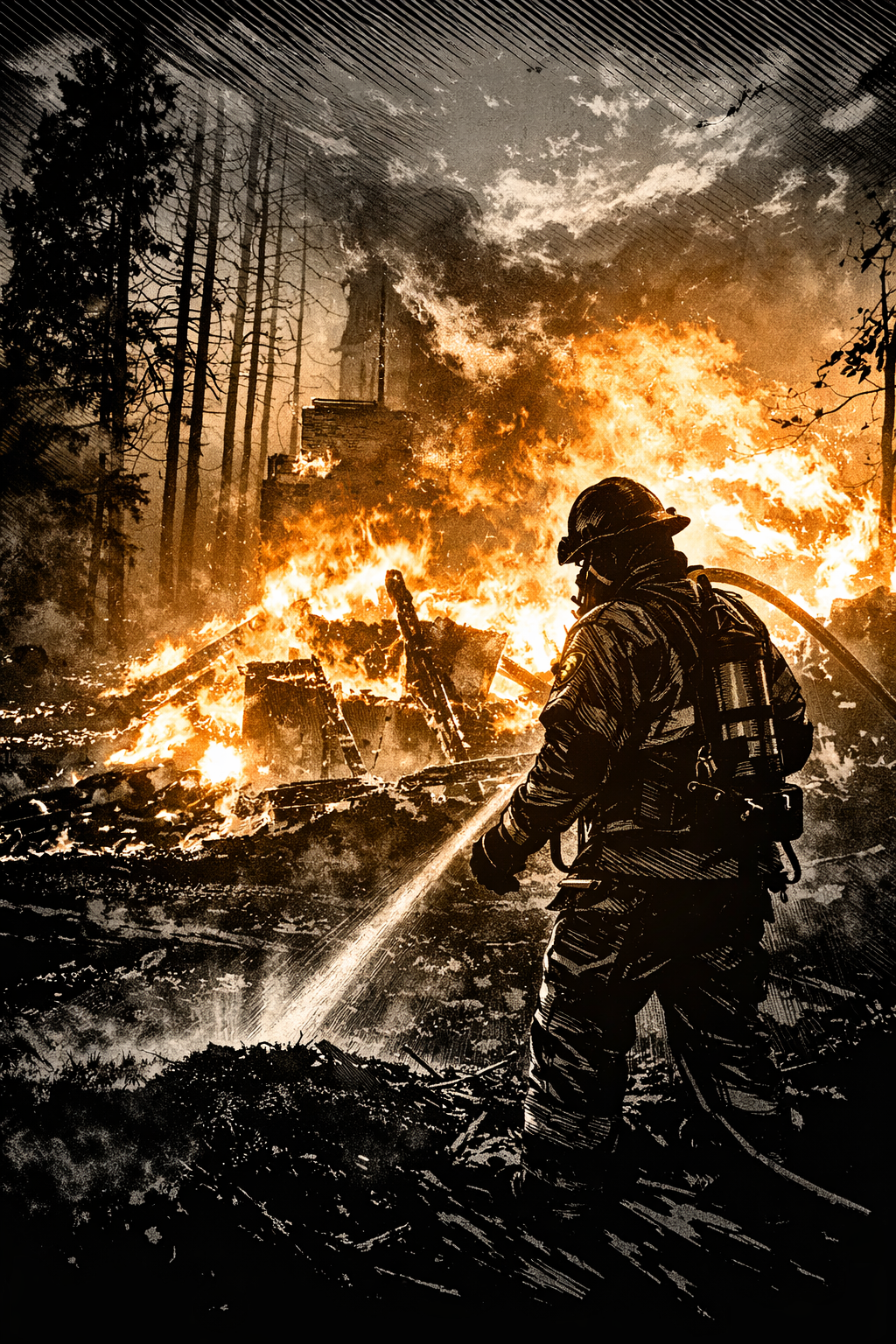
A firefighter responds to life-or-death emergencies including structural fires, medical crises, motor vehicle accidents, hazardous materials incidents, and technical rescues. The job demands intense physical labor, continuous training, and long shifts punctuated by sudden, high-stress alarms.
What the Day-to-Day Work Actually Looks Like:
Heavy EMS/Medical Volume: In most modern departments, 70% to 80% of all calls are medical emergencies, not fires. You will utilize your EMT or Paramedic license daily.
Rigorous Training Drills: Daily hands-on practice with ladders, hose deployments, ventilation tactics, and medical protocols to keep skills razor-sharp.
Station Logistics: Equipment checks, washing the apparatus, maintaining tools, and keeping the station pristine.
Constant Physical Conditioning: Maintaining peak physical readiness to perform heavy labor while wearing 50+ pounds of turnout gear and breathing air from a tank.
Community Risk Reduction: Conducting fire inspections, public education events, and station tours.
Where and When the Work Happens:
The Firehouse: Living, cooking, sleeping, and working out of a communal station environment for 24 to 48 hours straight.
Unpredictable Environments: Operating on chaotic highways, inside hazardous structures, or in extreme weather conditions.
24/7/365 Availability: Working weekends, deep night shifts, and major holidays. Emergency tones don't care about calendar dates.
The True Feel of a Shift:
Extreme Internal Tempo Changes: Long stretches of quiet station routine or deep sleep abruptly shattered by high-adrenaline emergency tones.
Physically Punishing Incidents: Forcing entry, dragging heavy lines, and operating tools to the point of complete physical exhaustion.
Emotionally Heavy Realities: Facing human tragedy, severe injuries, and difficult medical outcomes on a regular basis.
-
What Social Media & Outsiders Get Wrong
“It’s non-stop fire combat” — You might go weeks or months without fighting a serious, working structure fire.
“It’s an adrenaline rush every minute” — Much of the job is customer service, system navigation, and patient care.
“The heroes always save the day” — You will face situations where, despite perfect execution, the outcome is tragic. Processing that reality is part of the uniform.
Crucial Realities for New Hires:
You are a medical provider first: If you hate medical calls or patient care, do not apply to a modern fire department.
Station life requires deep humility: As a rookie, you will do the dishes, scrub the toilets, and earn the trust of your crew through quiet hard work.
Trauma accumulates quietly: The mental weight of what you see doesn't hit you all at once; it builds up over years of service.
-
This career is an excellent fit for people who:
Thrive under pressure: Can execute complex skills calmly while chaos is unfolding around them.
Embrace team dynamics: Value a tight-knit crew structure and respect a rigid paramilitary hierarchy.
Possess high emotional regulation: Can transition from a tragic call back to normal station life without carrying the baggage home.
Take pride in physical discipline: Treat their body like an athlete to protect themselves and their crew.
-
This trade may be a poor fit if you:
Crave constant excitement or praise: Chasing a continuous adrenaline high will lead to deep frustration during the slow shifts.
Struggle with authority: If you cannot take direct, unquestioned orders during an incident, you become a liability.
Need a predictable routine: If missing family milestones, holidays, or having your sleep constantly interrupted bothers you, the lifestyle will wear you down.
Expect a fast hiring process: Landing a career firefighter slot often takes years of testing, interviewing, and obtaining certifications.
Firefighter Continued
-
Pros
Unmatched Camaraderie: The bond built within a firehouse crew is closer to a second family than a set of coworkers.
Deep Purpose: Directly stepping into someone's worst day and providing immediate, tangible help.
Excellent Stability: Reliable public-sector benefits, strong pension structures, and a clear promotional ladder.
The Schedule: Working a shift schedule (like 48 hours on, 96 hours off) offers significant blocks of consecutive days off.
-
Sleep Deprivation: Chronic sleep interruption drastically impacts long-term health and recovery.
Toxic Exposure: Increased career-long risks of cancer due to modern synthetic smoke and carcinogens.
Fishbowl Environment: Zero privacy during a shift; you must navigate close-quarters living with all personality types.
Hiring Bottlenecks: Highly competitive testing processes where thousands of candidates fight over single-digit job openings.
-
Firefighters rarely leave the job because they don't like putting out fires. They burn out from:
Running repetitive, non-emergency medical calls at 3:00 AM.
The compounding physical toll of sleep loss and aging joints.
The cumulative mental fatigue of witnessing human trauma over a 20-year span.
-
This job is not nonstop adrenaline. The vast majority of your career will be spent running medical calls, training, and maintaining the station.
EMS dominates the modern fire service. If you aren't comfortable acting as a medical provider, you are looking at the wrong profession.
The hiring process can take years. Landing a full-time career slot requires passing multiple written exams, physical tests, and highly competitive oral boards.
Trauma exposure is completely unavoidable. You will see things that the average person never has to witness. Having a plan to protect your mental health is a requirement, not an option.
The schedule means missing milestones. Fire doesn't care about Christmas, Thanksgiving, or birthdays. If your shift falls on a holiday, you are at the firehouse.
-
Firefighting is a career for people who want to serve their community and make a real impact when it matters most. Firefighters protect lives, help people in emergencies, and work as part of a strong team built on trust and courage. The job offers a profound sense of purpose, steady employment, and the pride of knowing your work helps keep others safe.
For those who want meaningful, action-oriented work and the opportunity to be part of something bigger than themselves, firefighting can be an incredibly rewarding path.
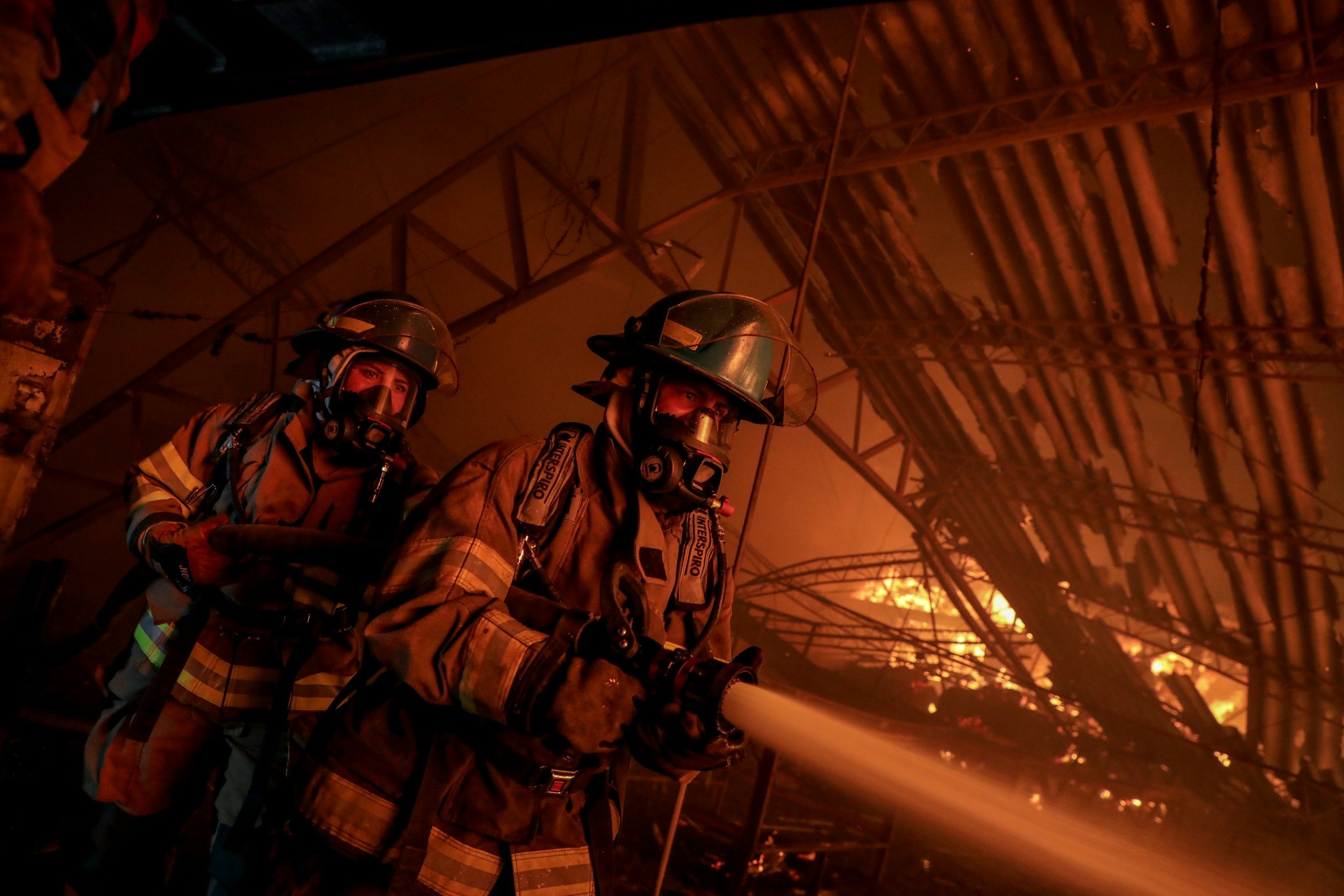
But deciding you want the badge is only the beginning. Actually navigating the competitive testing processes, choosing between EMT and Paramedic routes, and figuring out how to ace your oral board interviews can take years of frustrating trial and error.
Ready to Break Into the Trade?
Get the complete, unfiltered blueprint to starting your firefighter career. Enter your information to instantly unlock the Firefighter Pathway & Progression Guide and map out your next steps.