Mechanic/Smog Technician
-
An automotive mechanic diagnoses, repairs, and maintains complex modern vehicles using a blend of rugged mechanical labor and advanced computer diagnostic software. A specialized smog technician focuses strictly on emissions testing, environmental diagnostics, and state/federal regulatory compliance.
The modern automotive trade demands intense physical stamina, sharp critical-thinking skills, and a continuous commitment to learning as vehicle technology evolves at a blistering pace.
What the Day-to-Day Work Actually Looks Like:
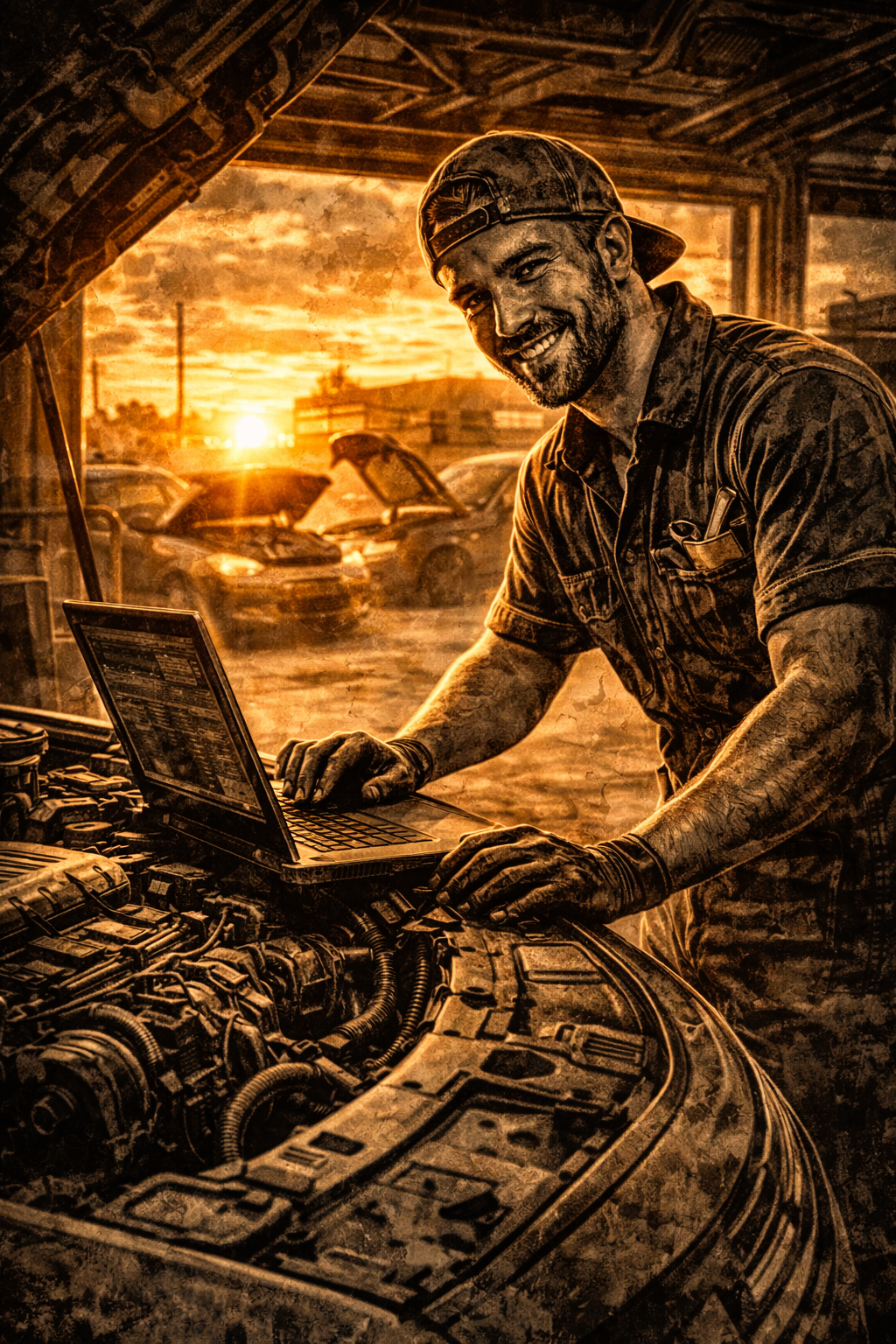
Advanced Computer Diagnostics: plugging in high-end OBD-II scanners, analyzing live data streams, and tracking down electrical faults in CAN-bus communication networks.
Executing Mechanical Repairs: Ripping down engines, replacing suspension components, pulling transmissions, and performing precision brake alignments.
State Emissions Compliance (Smog Tech): Operating dynamometers, executing tailpipe emissions tests, and performing meticulous visual inspections under strict state regulations.
Meticulous Service Documentation: Writing clear, legally binding digital write-ups of your findings so service advisors can present accurate repair estimates to clients.
Where and When the Work Happens:
In Live Repair Bays: Operating inside independent shops, heavy-duty truck centers, or high-volume dealerships.
Punishing Physical Environments: Working on concrete floors in fast-paced, noisy shops that get freezing cold in the winter and stifling hot in the summer.
Driven by the Clock: Working under intense time constraints to get a customer’s primary vehicle back on the road.
The True Feel of a Shift:
Mentally Exhausting: Spending hours chasing an intermittent electrical ghost circuit that doesn't trigger a clean trouble code.
Physically Punishing: Spending eight to ten hours a day bending over hoods, lifting heavy wheel assemblies, and squeezing your hands into tight engine compartments.
Financial Pressure: Navigating high-stress environments where your paycheck is directly tied to your speed and efficiency.
Responsibilities People Underestimate:
The Financial Penalty of Misdiagnosis: Guessing on a part and throwing a $600 control module at a car that doesn't fix the problem destroys shop profitability and breaks customer trust.
Continuous Off-Clock Education: Spending your own evenings and weekends studying new hybrid, electric vehicle (EV), and module programming systems just to stay relevant.
The Weight of Liability: Ensuring a vehicle's steering, brakes, or emissions systems are flawless. If a component fails due to technician negligence, the consequences are catastrophic.
-
What Social Media & Outsiders Get Wrong
“It’s just turning wrenches and swapping parts” — Anyone can swap a part once the problem is found. The real job—and where the money is made—is the high-level diagnostic logic required to find why the part failed.
“If you like modifying your project car, you’ll love the shop” — Working on a clean hobby car in your own garage with a beer in hand is nothing like fighting a rusted, muddy daily-driver on a flat-rate clock while a foreman watches your efficiency metrics.
“Once you graduate trade school, you're a master tech” — Tech schools teach you basic theory. You won't build true diagnostic speed or earn top-tier flat rates until you put in years of real-world shop time.
Crucial Realities for New Hires:
Modern cars are rolling supercomputers: You will spend as much time looking at a laptop screen or wiring schematic as you will holding a socket wrench.
The Tool Debt is real: You are entirely responsible for buying your own tools. Building a professional setup requires a massive, ongoing financial investment out of your own pocket.
Regulatory pressure is absolute: For smog technicians, state inspectors monitor your data and test procedures. One shortcut can get your license pulled and your career ended.
-
This career is an excellent match for people who:
Possess a hyper-analytical mind: Love reverse-engineering complex systems and tracing invisible electrical or mechanical puzzles.
Demonstrate extreme patience: Can stay completely calm when a diagnostic path hits a dead end and requires restarting from scratch.
Are naturally meticulous: Pay obsessive attention to small details, torque specs, and fluid capacities.
Thrive on independent problem-solving: Enjoy the quiet satisfaction of taking a completely broken machine and making it run perfectly.
-
This trade may be a poor fit if you:
Get easily frustrated by uncertainty: If you panic when an OBD scanner doesn't give you the exact, instant answer to a problem, you will burn out fast.
Expect low-pressure, predictable workdays: If you need a relaxed environment with zero performance metrics or time constraints, a flat-rate shop will break you.
Hate investing your own money: If the idea of spending thousands of dollars on your own tool arsenal and ongoing certifications bothers you, look elsewhere.
Are looking for fast, easy money: Top-tier diagnostic tech and master tech pay scales are highly lucrative, but they are strictly earned through years of field experience and ASE certifications.
Mechanic/Smog Technician Continued
-
Recession-Proof Demand: As long as there are wheels on the road—whether gas, diesel, hybrid, or electric—highly skilled diagnostic technicians will always be in demand.
True Transferable Skills: Mastering advanced automotive electrical theory and hydraulics allows you to easily pivot into industrial automation, heavy equipment, or fleet management.
Specialization Payouts: Massive financial upside for technicians who master high-demand niches like diesel performance, advanced electrical diagnostics, or fleet smog compliance.
Tangible Pride: The undeniable satisfaction of solving a complex diagnostic nightmare that other shops couldn't fix.
-
Brutal Physical Wear: Chronic exposure to chemical solvents, heavy lifting, and repetitive strain on your wrists, back, and knees over a 25-year career.
The Flat-Rate Reality: If the shop runs out of work during a slow season, or if you get stuck troubleshooting a complex warranty job that doesn't pay well, your income can fluctuate wildly.
The Upfront Tool Burden: Carrying thousands of dollars in tool truck debt early in your career before your hourly pay catches up.
Absorbing Customer Frustration: Dealing with angry clients who view vehicle repairs as an unexpected, hostile expense.
-
Technicians rarely leave this industry because they stop liking cars. They burn out from:
The compounding stress of flat-rate pay structures during slow economic months.
The physical exhaustion of fighting rusted, poorly maintained vehicles all day.
Feeling undercompensated for the massive amount of electronic and computerized knowledge modern diagnostics require.
Smog Tech Repetition: The mental fatigue of running the exact same regulatory testing sequence dozens of times a day in high-volume inspection shops.
-
Liking cars is not the same as liking this profession.
Diagnostics and data analysis matter infinitely more than raw physical muscle.
The early apprentice years are a low-paid, high-frustration tool-gathering grind.
Vehicle technology evolves faster than the textbooks. If you stop studying, you become obsolete in 36 months.
For smog techs, cutting a compliance corner is a legal liability, not a time-saver.
-
If you’ve read everything above and still feel interested, this career path may be a strong fit for you. The trade rewards technicians who think like engineers, stay highly disciplined, and take absolute pride in doing precision work correctly—even when a shop foreman is screaming about the clock.
But deciding you want to work in a shop is only the first step. Knowing how to structure an apprenticeship, choosing between a flat-rate dealership or an hourly independent shop, and avoiding thousands of dollars in predatory tool-truck debt can be an overwhelming challenge for an outsider.
Ready to Break Into the Trade?
Get the complete, unfiltered blueprint to starting your mechanic/smog technician career. Enter your information to instantly unlock the Mechanic/Smog Technician Pathway & Progression Guide and map out your next steps.