Electrician
-
Everyone talks about the great hourly pay for electricians, but few talk about the reality of tracing a short-circuit in a freezing crawlspace or spending ten hours a day pulling heavy wire through metal conduit. Here is the raw truth on what it actually takes to make it as an electrician, bypassed of all the trade school recruitment fluff.
Day-to-day work typically includes:
Bending and running conduit: Speed and precision with a hand bender or hydraulic bender on commercial jobs.
Manhandling heavy wire: Pulling hundreds of feet of heavy-gauge feeder wire through tight panel feeds.
Complex diagnostics: Tracing ghost voltages, shorts, and dead circuits using a multimeter and your brain.
Strict NEC code compliance: Studying and applying the National Electrical Code so you don't burn a building down or fail inspections.
Work is usually performed:
Inside raw construction zones: No AC, no heat, lots of dust, and loud tools everywhere.
In claustrophobic spaces: Spending hours squeezed into boiling hot attics or damp crawlspaces.
On your feet and ladders: Working at height on scaffolding or scissor lifts all day.
A normal shift often feels:
Physically active and demanding: Your neck, back, and shoulders will definitely feel the overhead work.
Mentally exhausting: You have to stay hyper-focused—electricity doesn't give you a second chance if you take a shortcut.
Responsibilities people underestimate:
Continuous code studying: The code book changes every few years, and master electricians never stop learning it.
Patience under pressure: Spending hours trying to find one nicked wire that is tripping a breaker while a foreman watches the clock.
Communication with inspectors: Knowing how to talk to city inspectors to keep your jobs moving forward.
-
“It’s just pulling wires all day” — Wire pulling is a fraction of the trade. The real job is building the path, bending the conduit, and understanding the theory behind the circuitry.
“It’s instant fast money right out of school” — Trade school is just the introduction. The real money unlocks only after you put in thousands of real on-the-job hours.
“It’s a clean, easy trade compared to plumbing or HVAC” — You will still be crawling through fiberglass insulation in a boiling hot attic or kneeling in muddy trenches.
-
This career often fits people who:
Love invisible puzzles: Enjoy analyzing complex systems and technical schematics.
Are naturally meticulous: Pay obsessive attention to detail (crooked pipe runs look amateur).
Thrive under structure: Are comfortable operating within rigid safety rules and building codes.
Possess high patience: Can stay calm when tracing an electrical issue that makes no sense on paper.
-
This job may be a poor fit for people who:
Hate rules or oversight: If you think safety protocols are "annoying," this trade will get you or your partner hurt.
Rush and overlook details: Guessing on a connection can cause an arc flash or burn a building down years later.
Are strictly introverted: Prefer zero communication (you have to talk to inspectors and contractors).
Struggle with tight spaces or heights: If you freeze up on top of a 12-foot ladder or panic in a crawlspace, look elsewhere.
Expect immediate wealth: Want top-tier journeyman pay on day one of an apprenticeship.
The Hard Truth: Many people quit the electrical trade not because they hate the work, but because they couldn't handle the humility, lower pay, and grunt work required during the early apprentice years.
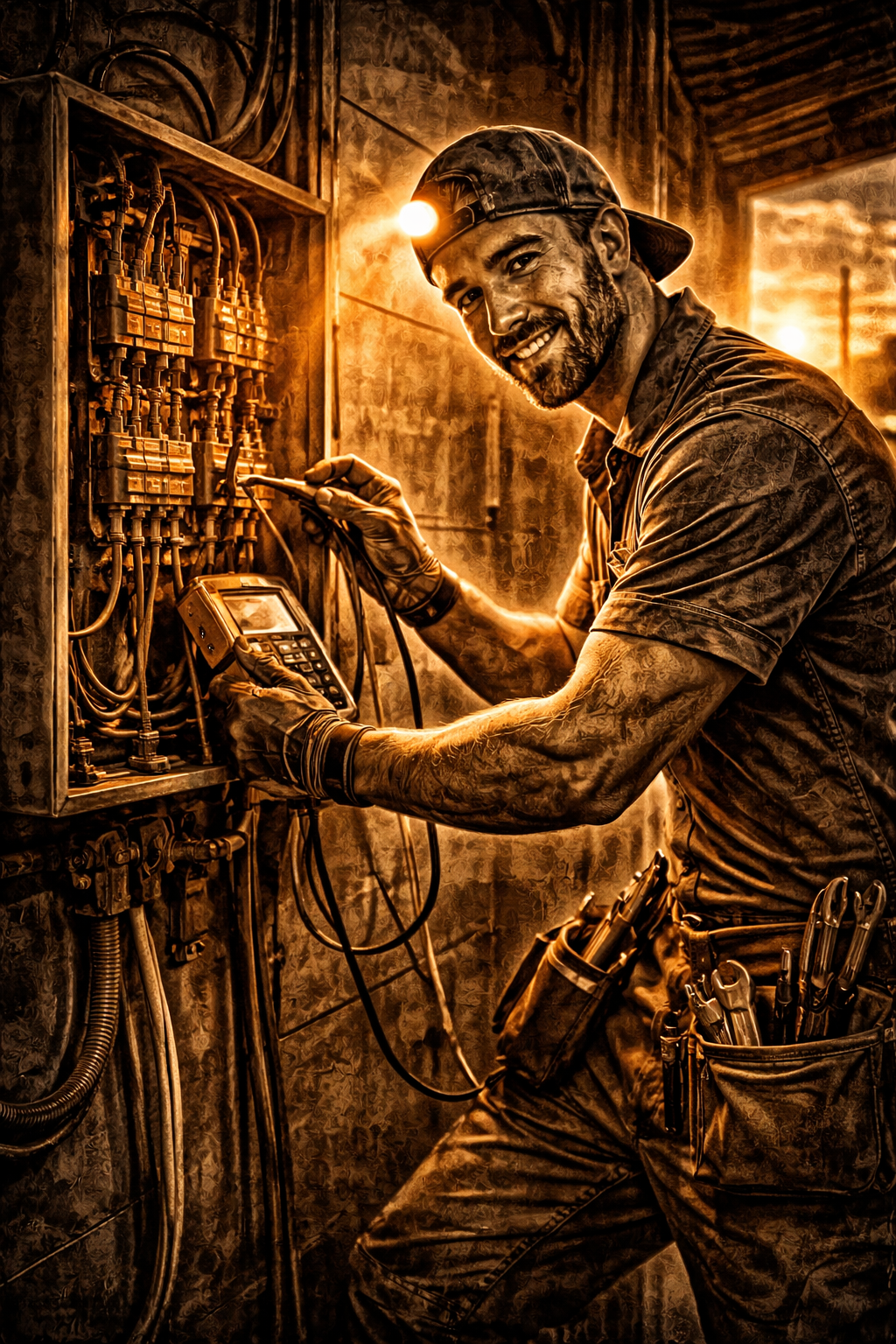
Electrician Continued
-
Pros
Unstoppable demand: Every industry, home, and factory on earth requires power.
Clear career progression: A structured, guaranteed path from green helper to licensed Journeyman/Master.
Elite transferable skills: Electrical theory translates perfectly into robotics, automation, and green energy.
Niche specialization: Ability to pivot into commercial, heavy industrial, PLC programming, or service work.
High earning ceiling: Top-tier income potential once you get your card or start an independent shop.
Tangible pride: Walking away from a pristine, perfectly bent conduit run gives real craftsman satisfaction.
-
Cons
Brutal environments: Working in freezing winter conditions or stifling summer heat before buildings are enclosed.
High-stress safety stress: Constant awareness that a simple mental slip can be fatal.
Slow initial pay: The early apprentice wage can feel low compared to the physical output expected.
Trade delays: Getting stuck or held up because the drywallers or framers messed up your boxes.
-
Common burnout moments include:
The Apprentice Grind: Spending the first six months doing nothing but sweeping, digging, and carrying materials.
The Pressure Cooker: Trying to hit tight construction deadlines while an inspector looks over your shoulder with a clipboard.
Fixing Other People’s Garbage: Spending all day in a hot ceiling tracing a dangerous problem caused by a lazy, unqualified hack.
Reality Check: Electricians rarely burn out from the electrical work itself—they burn out from the constant pressure to be 100% precise under intense time constraints.
-
Apprenticeships take half a decade, not a semester.
Safety shortcuts don't save time—they cause catastrophes.
Your income builds gradually with your reputation, licensing, and trust.
Smart electricians spend hours planning so they only have to install once.
The code changes every three years. If you stop studying, you become obsolete.
-
Is the Electrical Trade Your Next Step?
If you’ve read everything above and still feel interested, the electrical trade may be a strong fit for you.
Being an electrician isn’t just about pulling wires—it’s about precision, deep responsibility, and understanding exactly how complex systems function together. The people who succeed long-term are those who stay disciplined, think critically under pressure, and take absolute pride in doing the work correctly—even when no one is watching.
This trade rewards consistency, reliability, and continuous learning. It is physically demanding and mentally challenging, especially during the early apprentice years, but for the right person, it offers true stability, career growth, and massive long-term opportunity.
If you enjoy complex problem-solving, working with both your hands and your mind, and building high-value skills that carry real-world weight—this path is worth your serious consideration.
Deciding to become an electrician is only the first step. Navigating union vs. non-union tracks, finding a reputable contractor, and securing a high-paying apprenticeship without wasting months making rookie mistakes is a massive challenge.
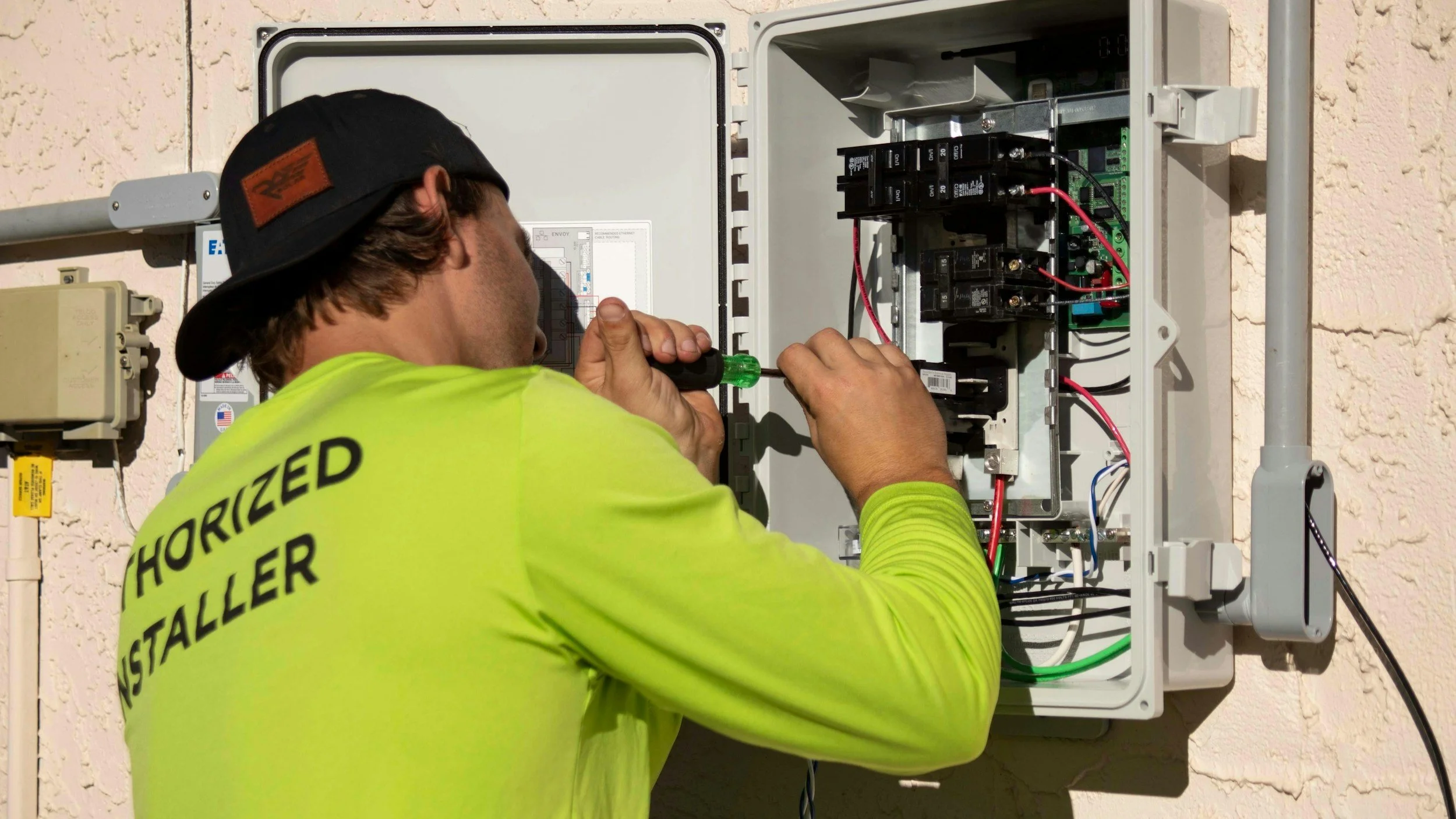
Ready to Break Into the Trade?
Get the complete, unfiltered blueprint to starting your electrical career. Enter your information to instantly unlock the Electrician Pathway & Progression Guide and map out your next steps.